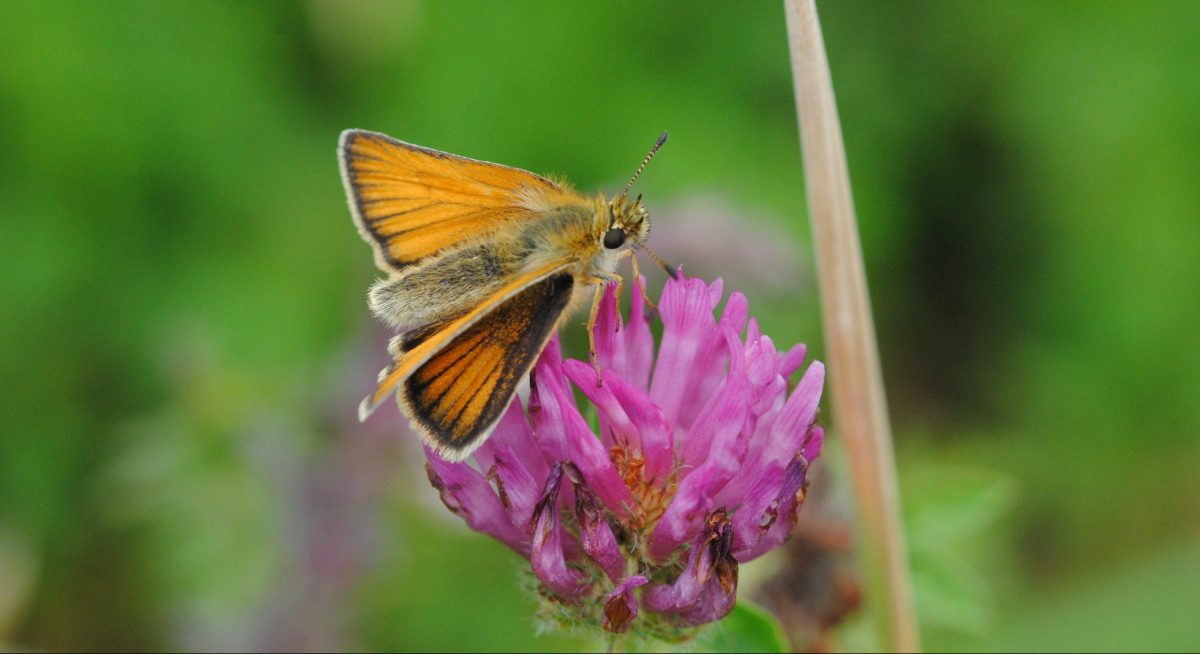
Despite the recent unsettled weather, our butterfly hunt on 20 July struck lucky with the elements, and fine, calm conditions netted a fully subscribed haul of members, and a good range of butterflies too.
Seventeen of us, including two visitors from north of the border, assembled in the courtyard behind Charlbury’s library where our well-informed guide, Roger Newman, briefed us with ID charts and recommended some useful books and apps for the UK’s Big Butterfly Count, running until 6 August this year. Amazingly, this is the biggest ‘Citizen Science’ project in the world, a critical piece of research aimed at learning more about the disturbing decline of 80% of our native species in recent years.
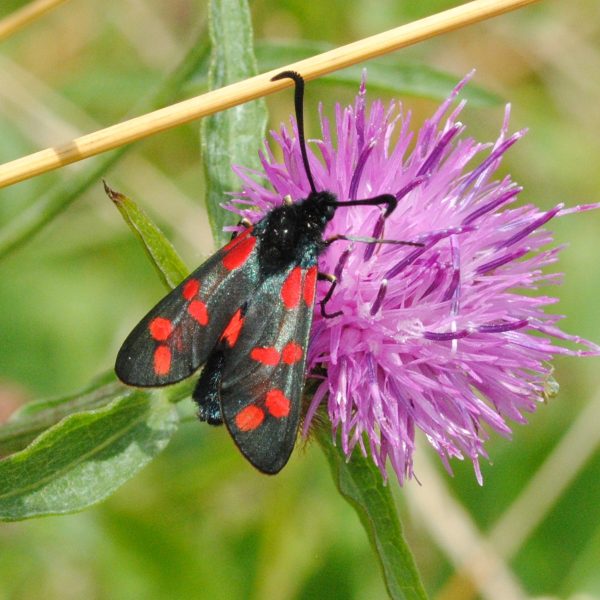
On this sobering note, we set off to explore a varied mix of habitats around the town: Charlbury’s cemetery, allotments, playing fields, and the sloping glades and meadows of the Wigwell Nature Reserve. Our first stop was a buddleia on a garden lane, where we were cheered to find half a dozen different butterflies, including red admirals and peacocks, large whites, commas and meadow browns. A promising start. Later we added to the list with small coppers, gatekeepers, small- and Essex-skippers, tortoiseshells, brimstones and marbled whites, as well as a few interesting moths (6-spot burnets and a hummingbird hawkmoth).
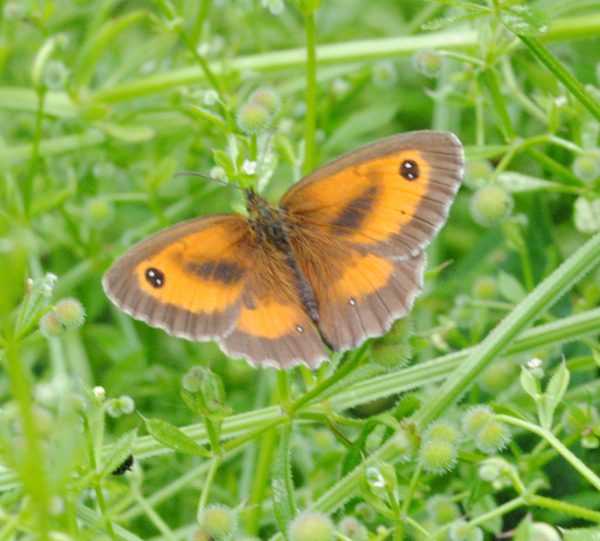
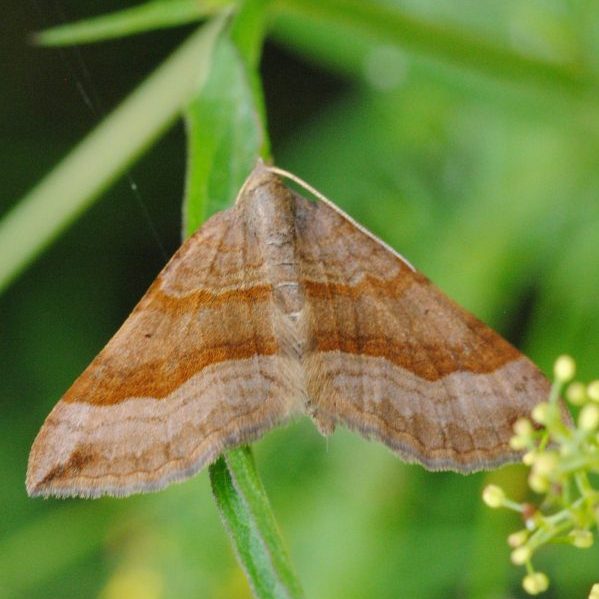
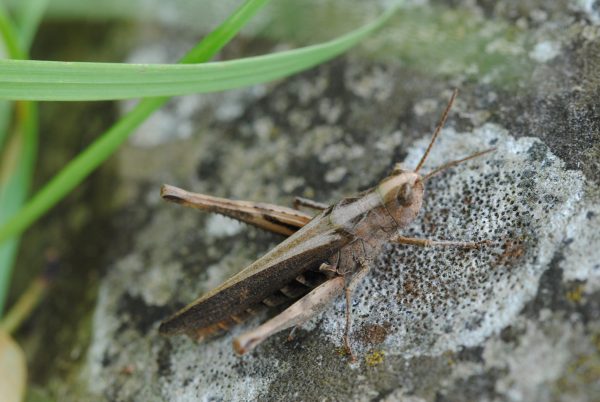
Roger showed us how to distinguish those confusing brown things by the white spots on their wings, or the colours of their antennae tips. Apparently it is incorrect to refer to ‘cabbage whites’ these days, but the ones we saw in the allotments were most definitely just that, battering in frustration at the netting around the brassicas.
The plant-hunters were rewarded by dozens of different species in the nature reserve, while birders were delighted to note a few swifts screeching overhead, and to hear a yellowhammer singing its cheesy refrain at full throttle on a distant tree.
Thanks to Roger for his knowledge and leading the walk.
The full species list can be found here.
Lindsay Fisher 22 July 2023
 WEST OXFORDSHIRE FIELD CLUB