Categories
Club

Dawn Chorus 2023


A walk to hear the dawn chorus has been a fixed event on the Club’s programme for as long as I can remember and, once a year, it’s certainly worth getting up at 3:30am to hear the birds waking up. It’s also a good opportunity to learn birdsong.

Categories
Members

A dawn chorus with a difference

Maggie Collins writes:

What a hullabaloo this morning at 5.30 am in suburban Witney! It sounded like crows so I got up, reluctantly, to see what it was all about.  Hundreds (or so it seemed) of crows were flying around the houses in quite a state making a great racket on our normally quiet street – jackdaws and carrion crows as far as I could tell, once I got my binoculars out. 

Categories
Club

OTMOOR RSPB RESERVE

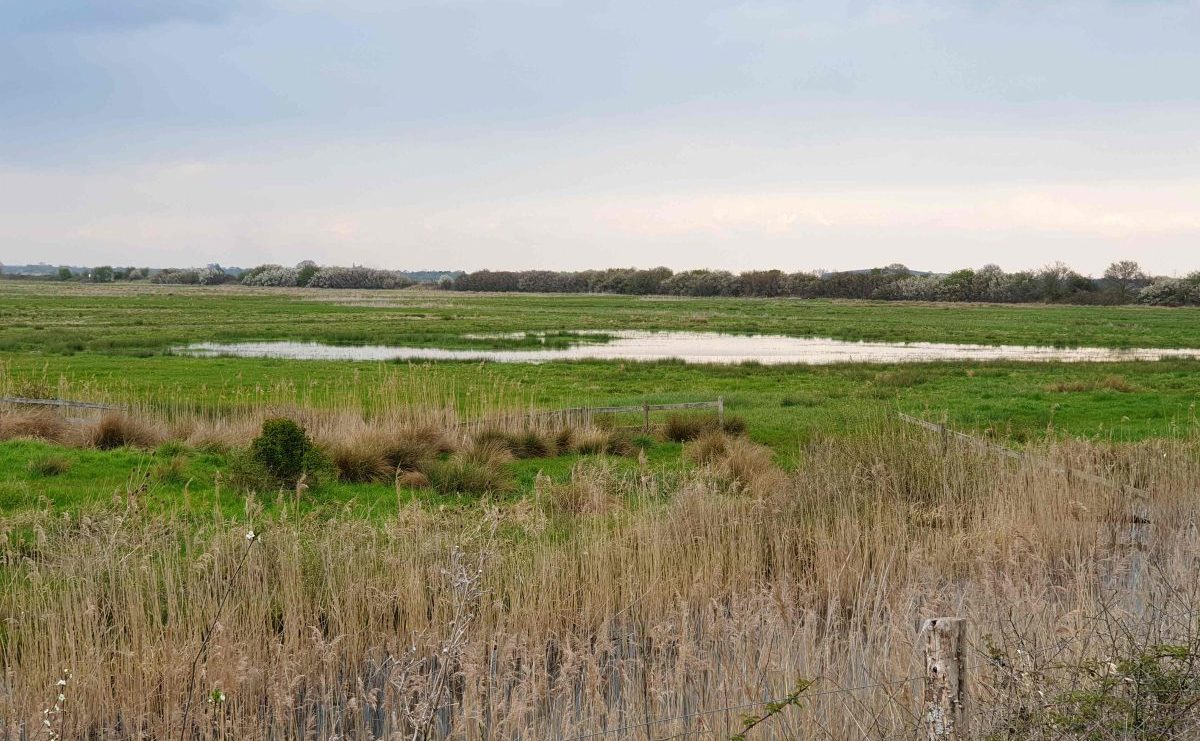
It was a bit grey and chilly on the 27th of April when ten of us met with volunteers Sylfest Muldal and his colleague Mike for a three hour, highly enjoyable walk at the RSPB Otmoor reserve.

Categories
Club

Appleton Lower Common

Field Club walks are usually not very challenging, but this one was different: it was variously described as an obstacle course or even an adventure. Despite the challenges, we found what we had gone to look for and people enjoyed the adventure, or at least seemed to.

Categories
Members

Yellow Stars of Bethlehem

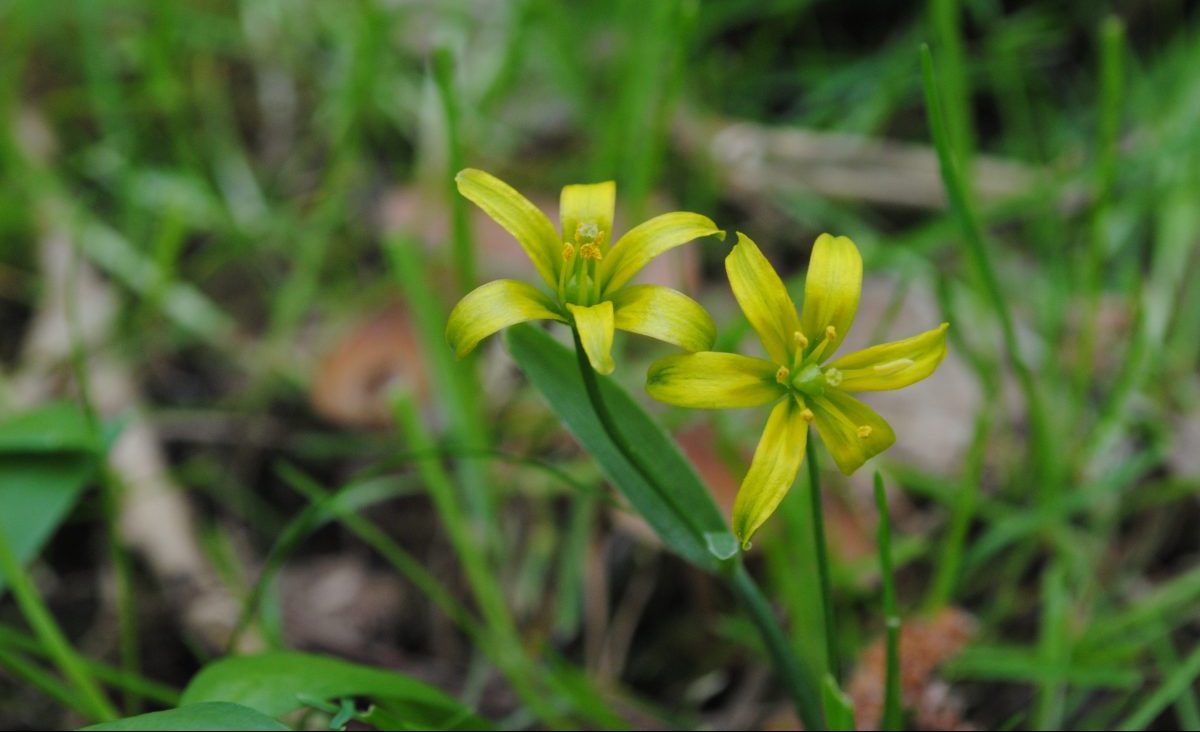
Maggie Collins writes: Several members of the Field Club joined the Wychwood Flora Group on Sunday, 26 March to survey the Yellow Star of Bethlehem, Gagea lutea, at Whitehill Woods, near Stonesfield.  Genny Early’s report for the Flora Group follows:

Categories
Members

A Day at Pit 60

John C. writes: Last Thursday, as usual every fortnight, I spent the morning with the LWVP volunteers, this time tidying up the Windrush path at Standlake (which made a change from removing tree guards at Rushy Common!). It was a lovely sunny morning and Willow Warblers were singing everywhere, although there seemed to be fewer Blackcaps and Chiffchaffs than when Sue and I were there on Easter Monday.

Categories
Club

Littlestock Brook Natural Flood Management

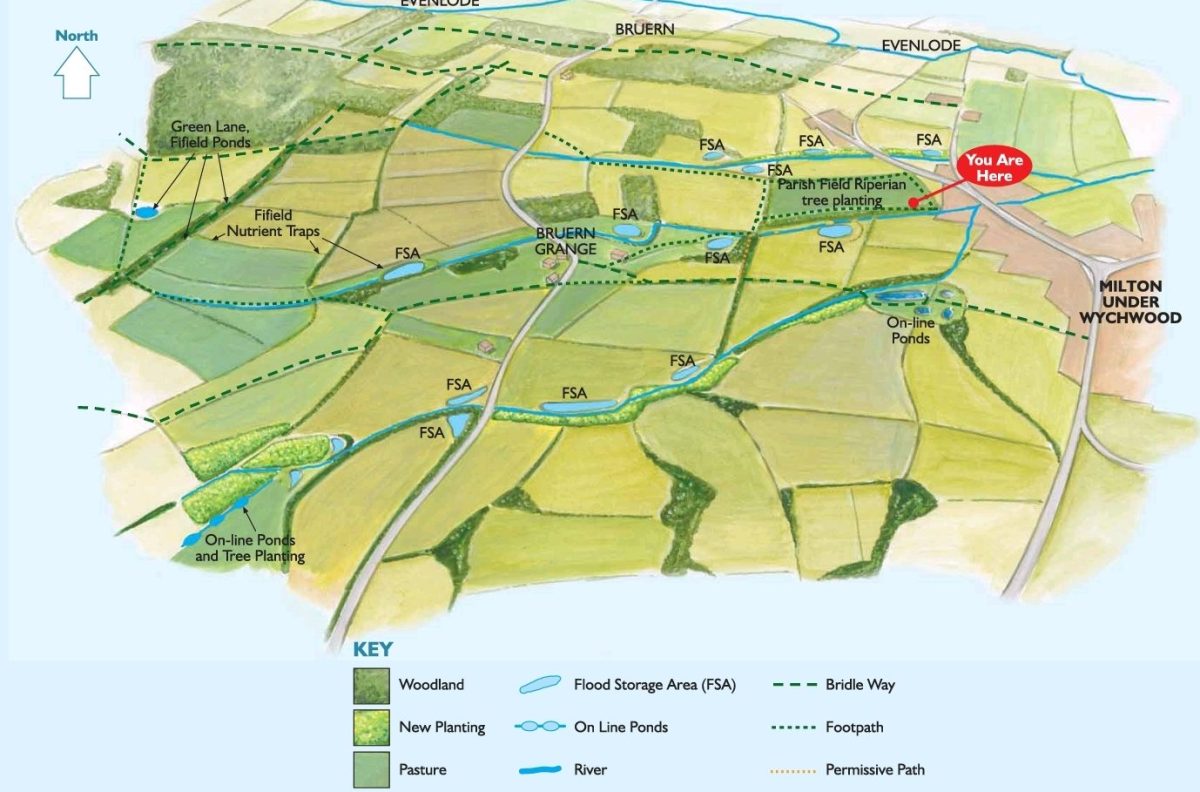
On Saturday 25 March twelve members met at Grange Farm, Bruern to learn about the Littlestock Brook natural flood management project. Ann Berkeley, who is the project manager of the Evenlode Catchment Partnership,
first explained the origins of the project and then gave us a tour of the key sites. Although it was a sunny morning, albeit with a cold wind, it was very muddy underfoot – as you might expect – as we followed Ann across the fields to look at the leaky dams, swales and bunds used for flood management!

Categories
Members

Getting to know Slime Moulds

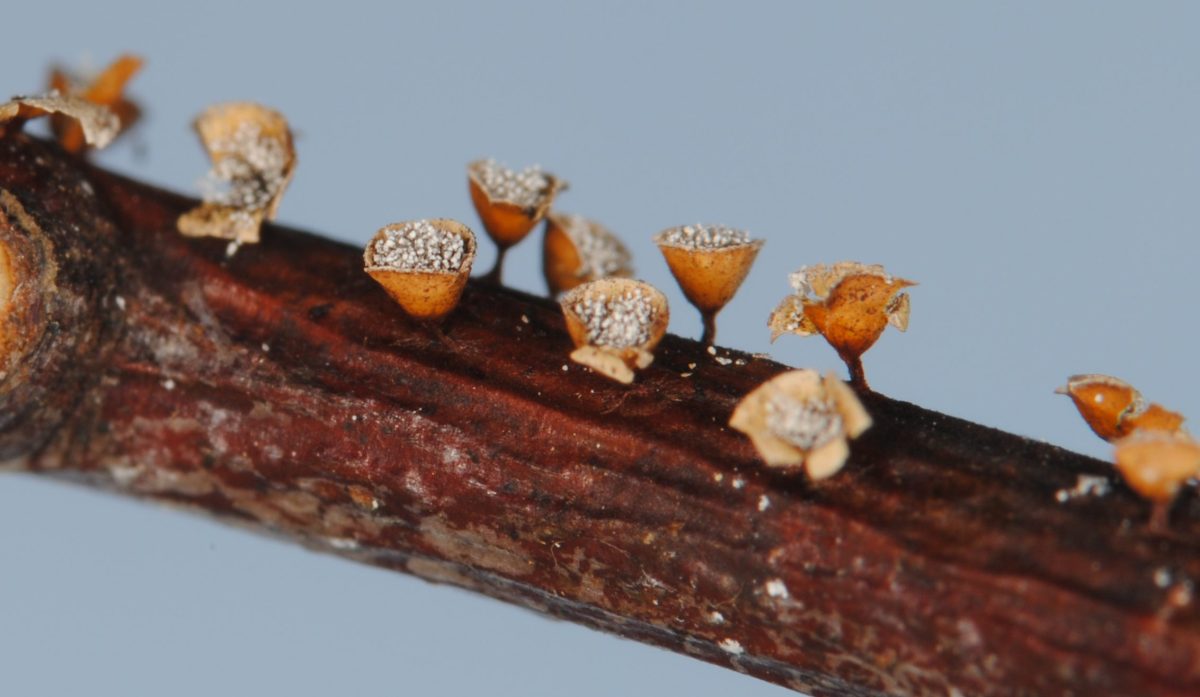
John C. writes: Don’t be put off by the name! Slime moulds, or Myxomycetes to give them their posh scientific name, are perhaps some of the natural world’s most weird and wonderful organisms. They are everywhere but usually overlooked. They are not animals, nor plants, nor fungi. They move and display some sort of intelligence; their small fruiting bodies can strangely beautiful. Over the past year I have become fascinated (some would say obsessed) by them. It’s a real pity that they are cursed with such a terrible name because they really are worth a close look – it’s a new world.

Categories
Club

Oxford University Herbaria

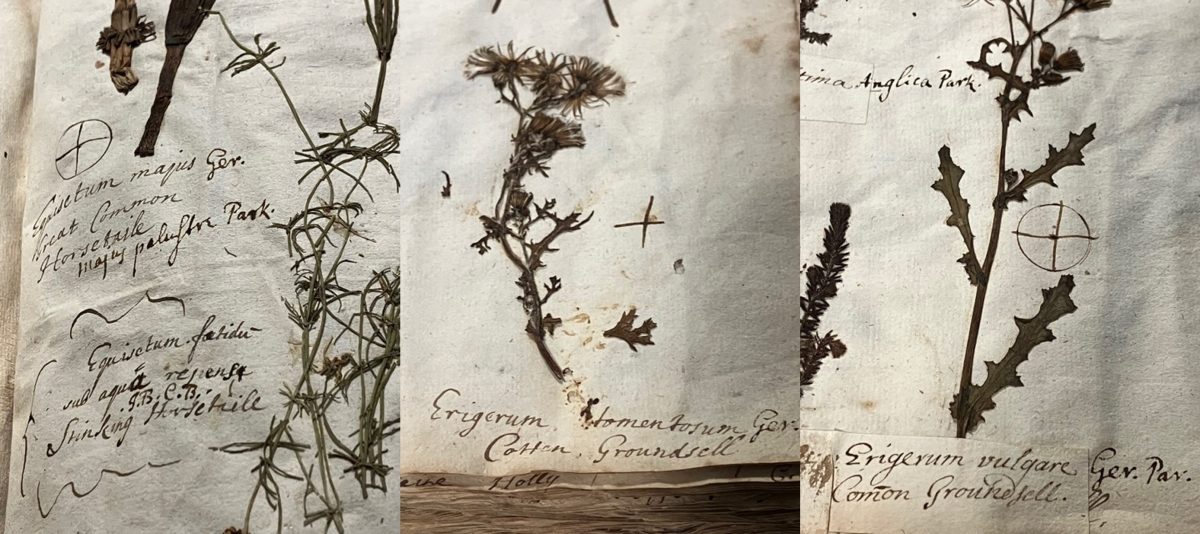
It was noticeably an all-female group of eleven who visited the Oxford University Herbaria on the 17th of February, where we enjoyed a fascinating afternoon led by Professor Stephen Harris from the Department of Plant Sciences.

Categories
Members

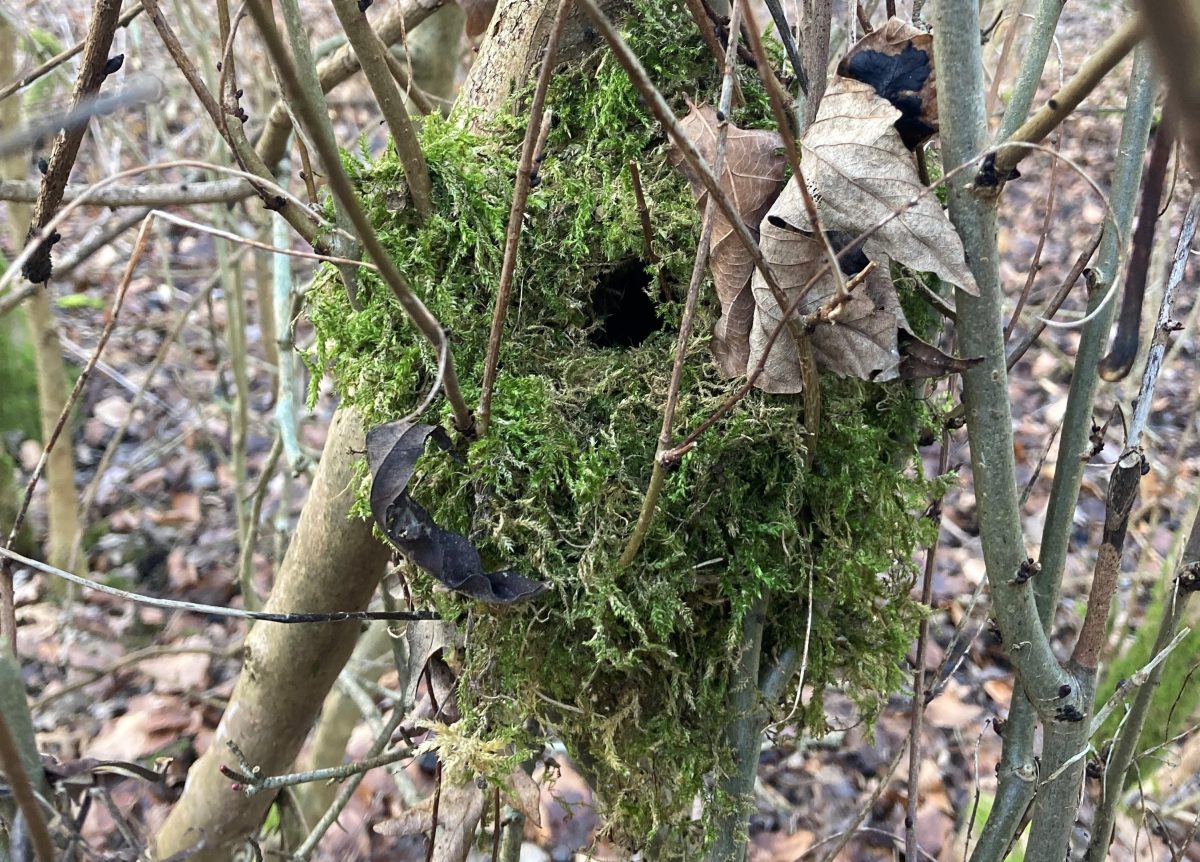
Wren’s Nest

Sue Leigh writes:

Sherborne woods, early February: The nest I am looking at is round, mainly made of moss with a small entrance hole.  It is about four feet from the ground in what looks like a fairly open site but in spring and summer would be under a canopy of leaves and surrounded by more vegetation.  It was made by a wren.