Categories
Club

Dawn Chorus

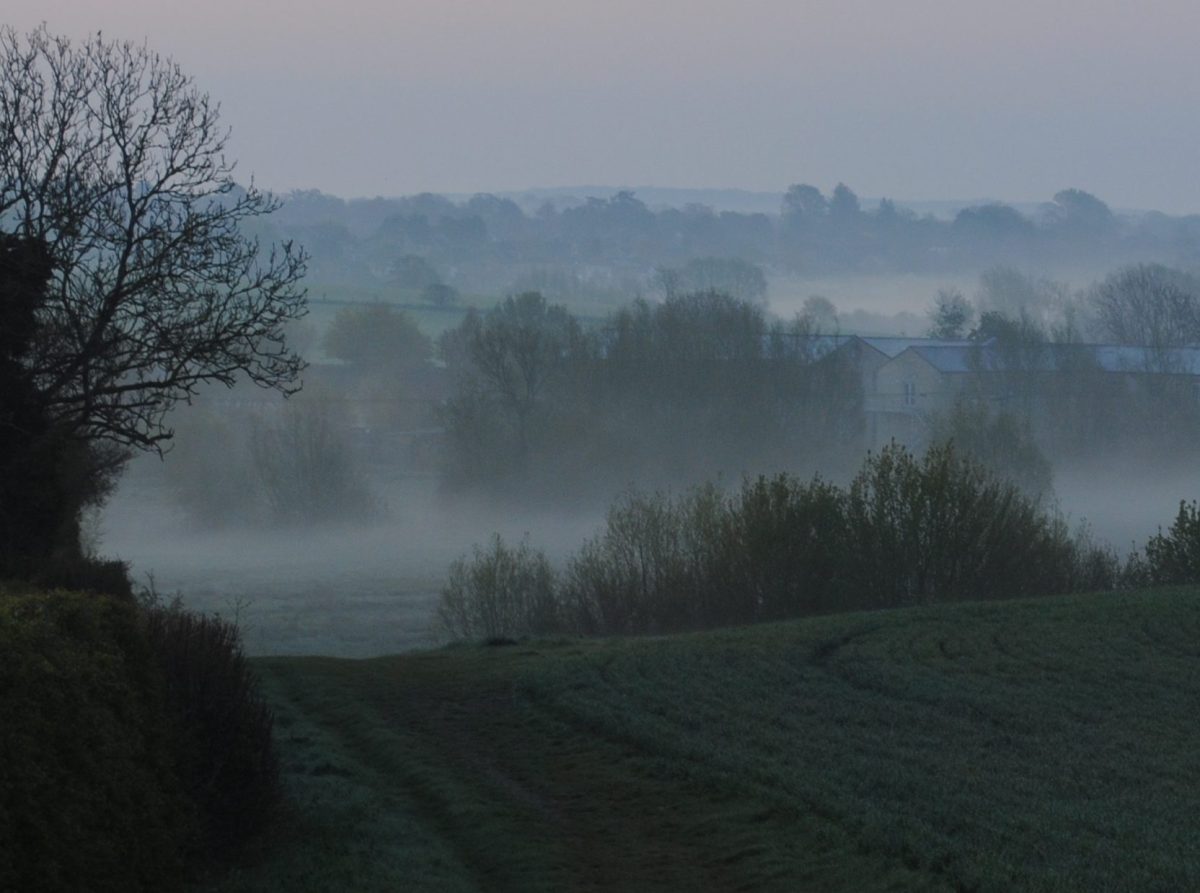
2 May 2021 was International Dawn Chorus Day. Six of us met at 4:00 am for the Club’s annual Dawn Chorus walk between Minster Lovell and Crawley led by Adrian S. It was cold and the birds were slow waking up; the first thing we heard was a Pipistrelle near the ruins – it seemed even the bats had (sensibly) decided to stay at home. The earliest risers this year were Jackdaws and many Song Thrushes. Later we heard and saw a lot of Whitethroats – there seemed to be one in almost every bush. Mist was rising from the river and most of us were glad to see the sun and warm up when we got to Crawley. By 8:00 am when we arrived back in Minster Lovell we had recorded a creditable total of 42 species. And looking forward to breakfast!

Categories
Club

Geology Walk to the Devil’s Quoits – The Strange Tale of Two Pebbles

John B writes:

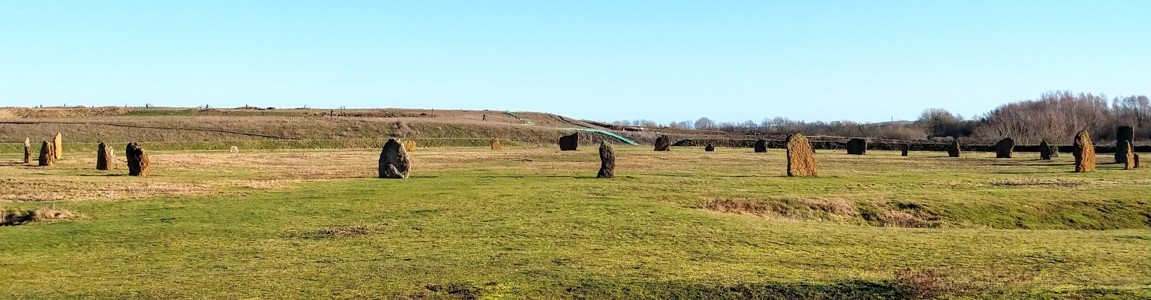
December 17 2020, a gloriously sunny morning, saw a group of six of us, including Lesley Dunlop our excellent Geology specialist who had provided us with her customary helpful background notes, take a somewhat muddy walk around Dix Pit to examine the Devil’s Quoits, an impressive ceremonial circle of Bronze Age standing stones.  

Categories
Club

Parsonage Moor

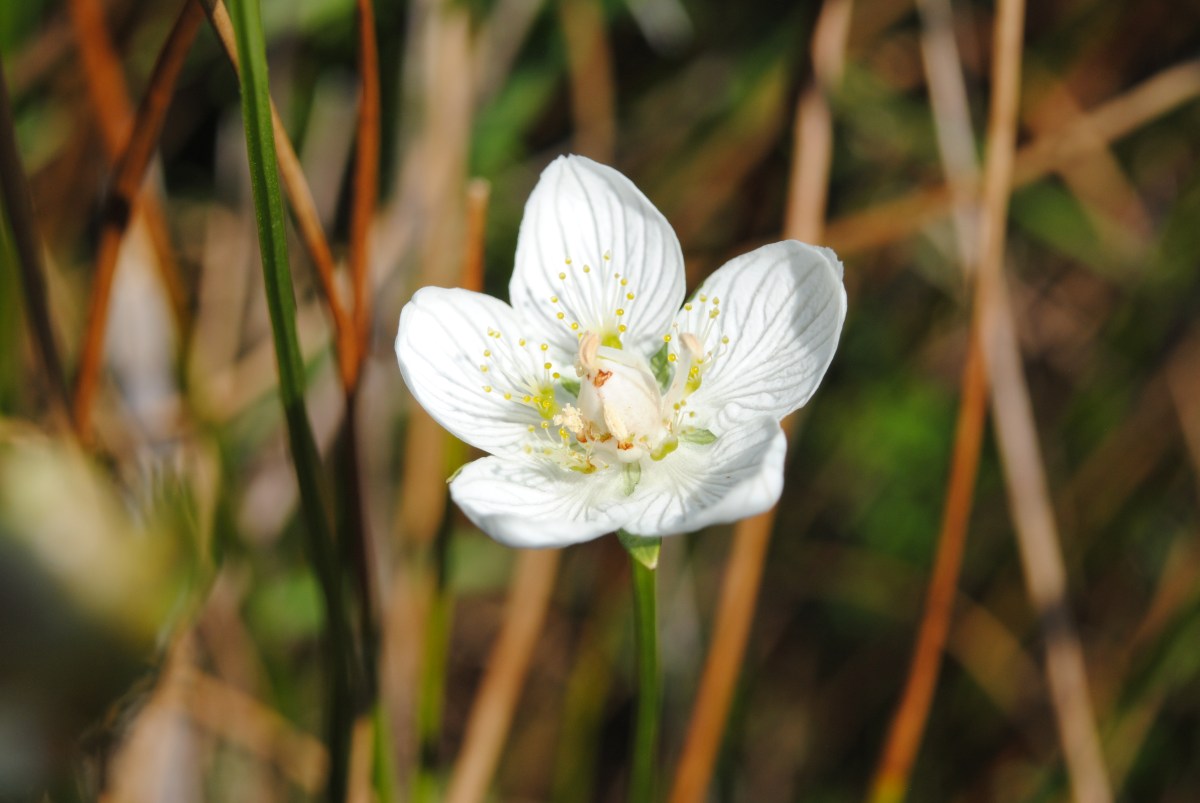
Parsonage Moor near Cothill is the largest example of alkaline fen in central England. On two socially-distanced visits in early August 2020 twelve members visited the site. The main attraction was the flowering Grass of Parnassus but there was also a variety of insects including Long Winged Coneheads (a species of Bush Cricket) and Lesser Marsh grasshoppers, as well as several dragonflies. Several Common Lizards were basking on the boardwalks.

Categories
Club

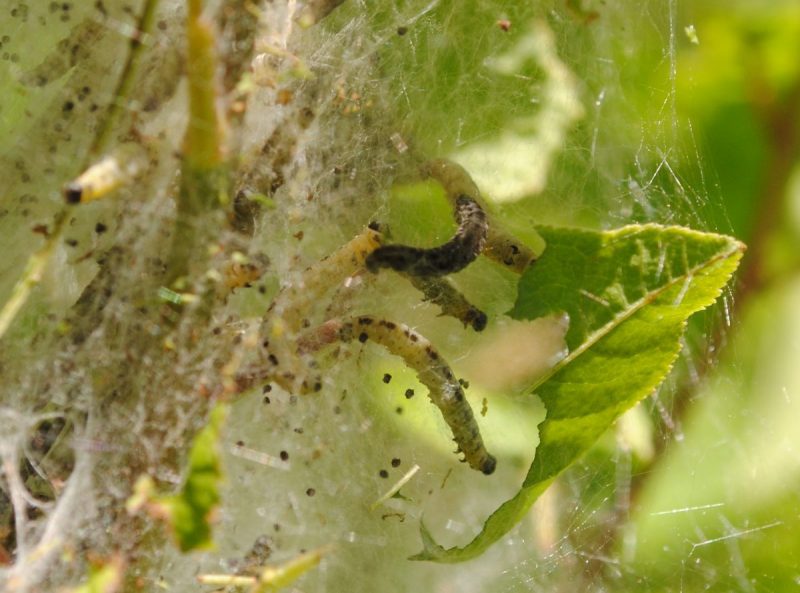
Broadwell Airfield June 2020.

Sixteen members visited Broadwell Airfield, a very good botanical site, on 17 and 19 June for the first three of our ‘socially distanced’ walks. There is a full report in the newsletter. As well as innumerable Pyramidal Orchids there were a number of other notable things, especially several ‘tents’ of Small Eggar moth caterpillars, lots of Whitethroats singing and picking-off the caterpillars, a large clump of Dyer’s Greenweed and several examples of Grass Vetch. Overall a total of 114 plant species were recorded.