Categories
Members

Getting to know Slime Moulds
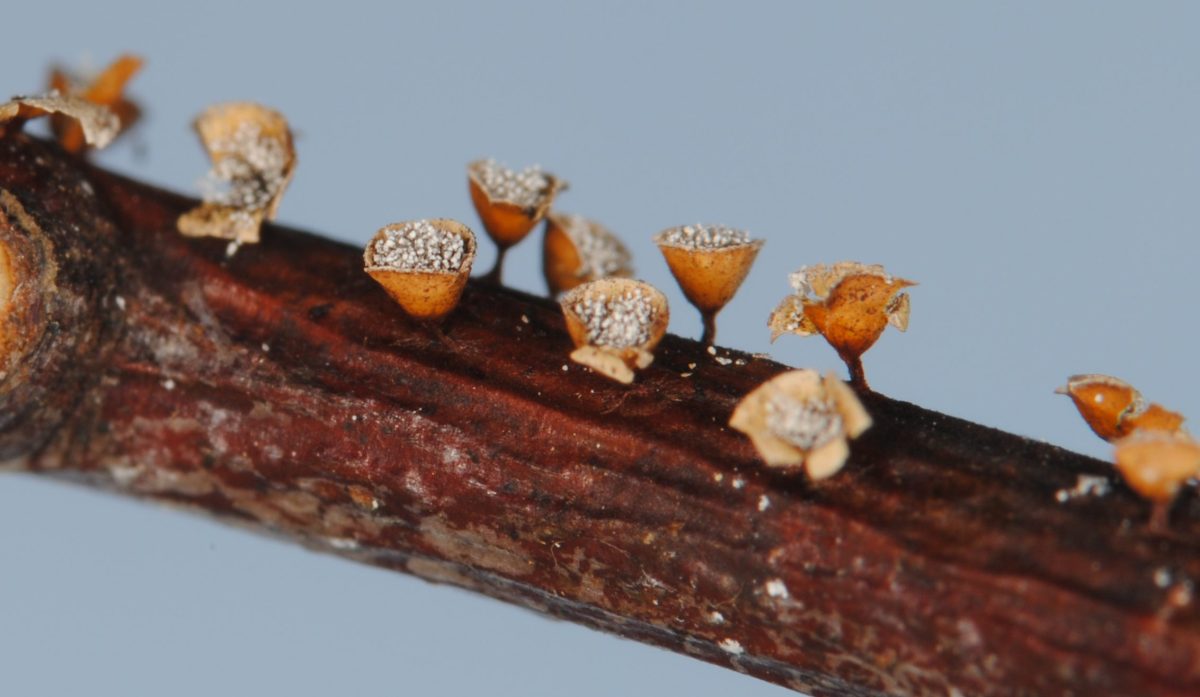
John C. writes: Don’t be put off by the name! Slime moulds, or Myxomycetes to give them their posh scientific name, are perhaps some of the natural world’s most weird and wonderful organisms. They are everywhere but usually overlooked. They are not animals, nor plants, nor fungi. They move and display some sort of intelligence; their small fruiting bodies can strangely beautiful. Over the past year I have become fascinated (some would say obsessed) by them. It’s a real pity that they are cursed with such a terrible name because they really are worth a close look – it’s a new world.

Categories
Members

Wren’s Nest

Sue Leigh writes:

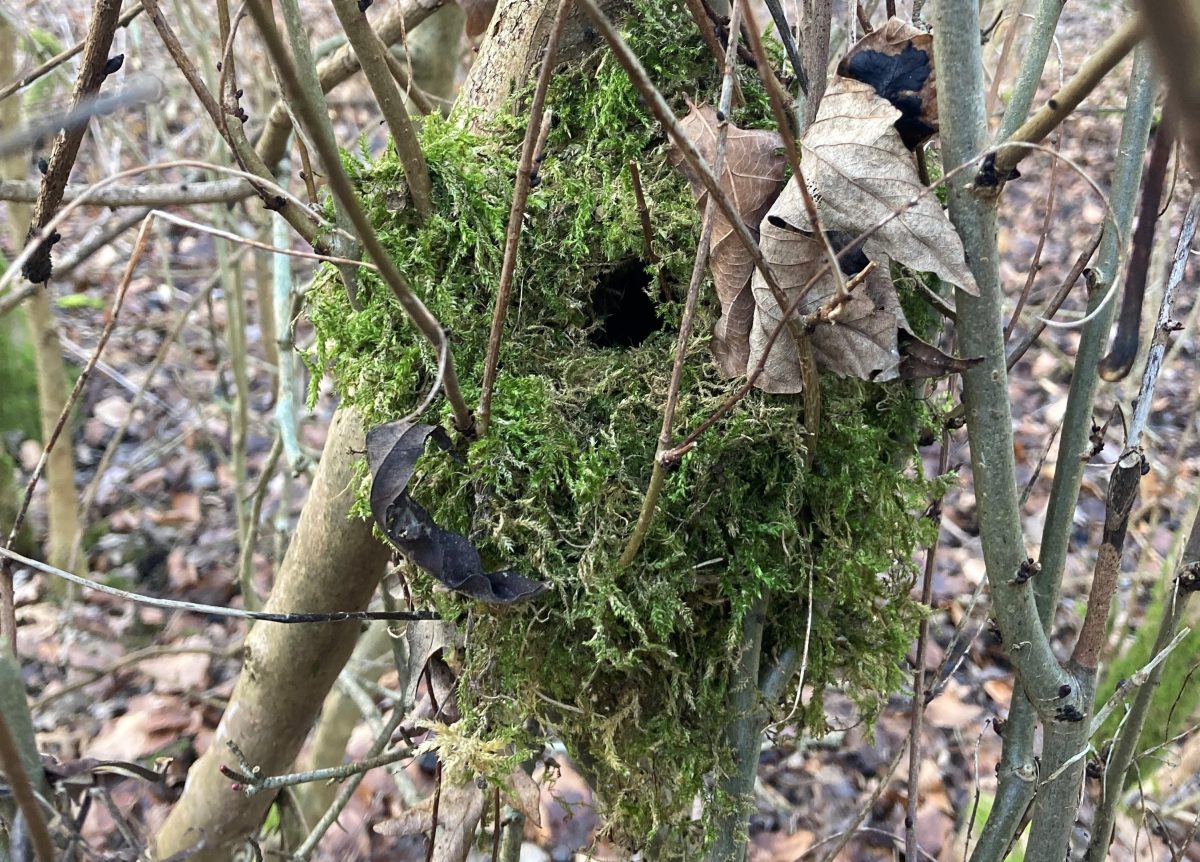
Sherborne woods, early February: The nest I am looking at is round, mainly made of moss with a small entrance hole.  It is about four feet from the ground in what looks like a fairly open site but in spring and summer would be under a canopy of leaves and surrounded by more vegetation.  It was made by a wren.

Categories
Members

Winter Fungi

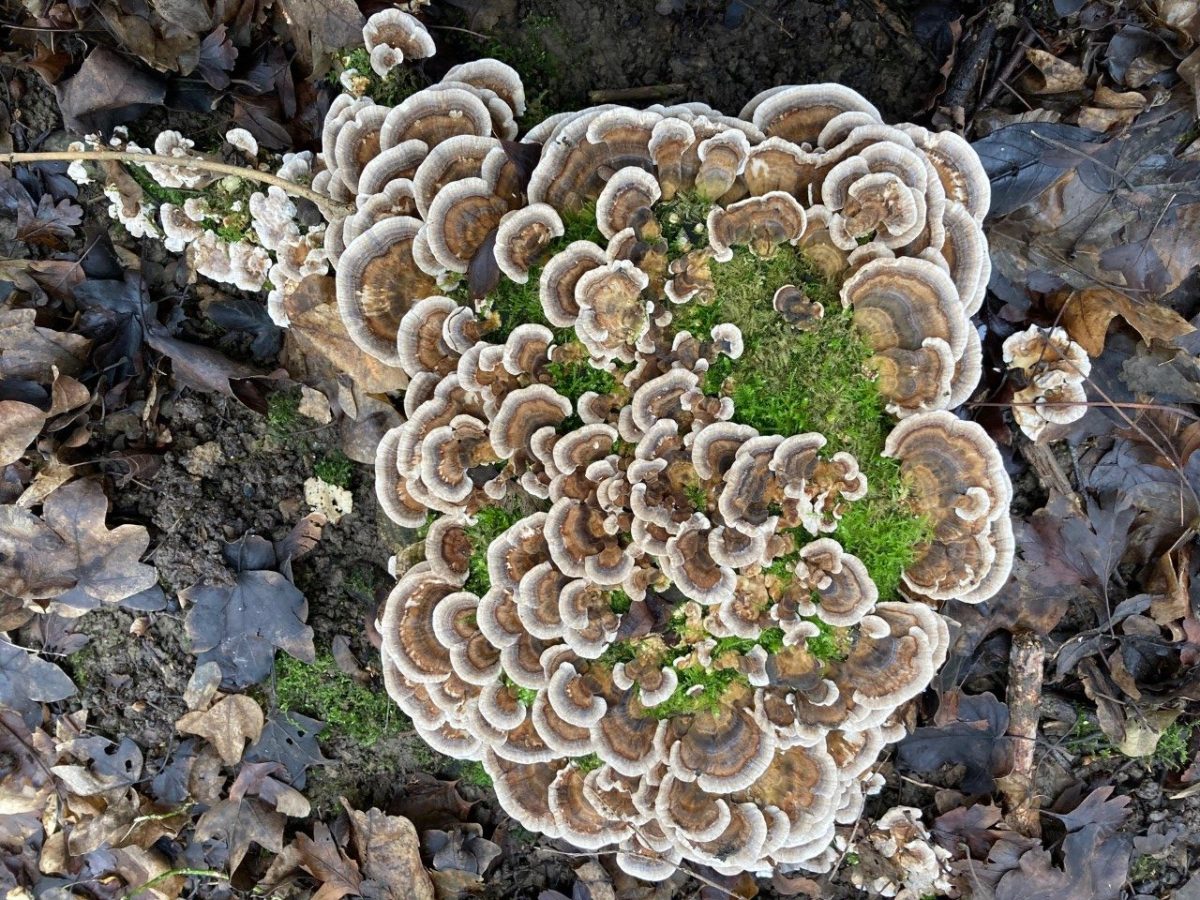
Lindsay Fisher writes: We don’t often go fungus-foraging at this time of year, but several Witney Woodland Volunteers noticed some flourishing clumps of fungi while working at Deer Park Wood this week, perhaps surprising after all this cold weather. Here are a few snaps. Identifications would be appreciated.

Categories
Guest Members

Seashore & Rockpool Creatures

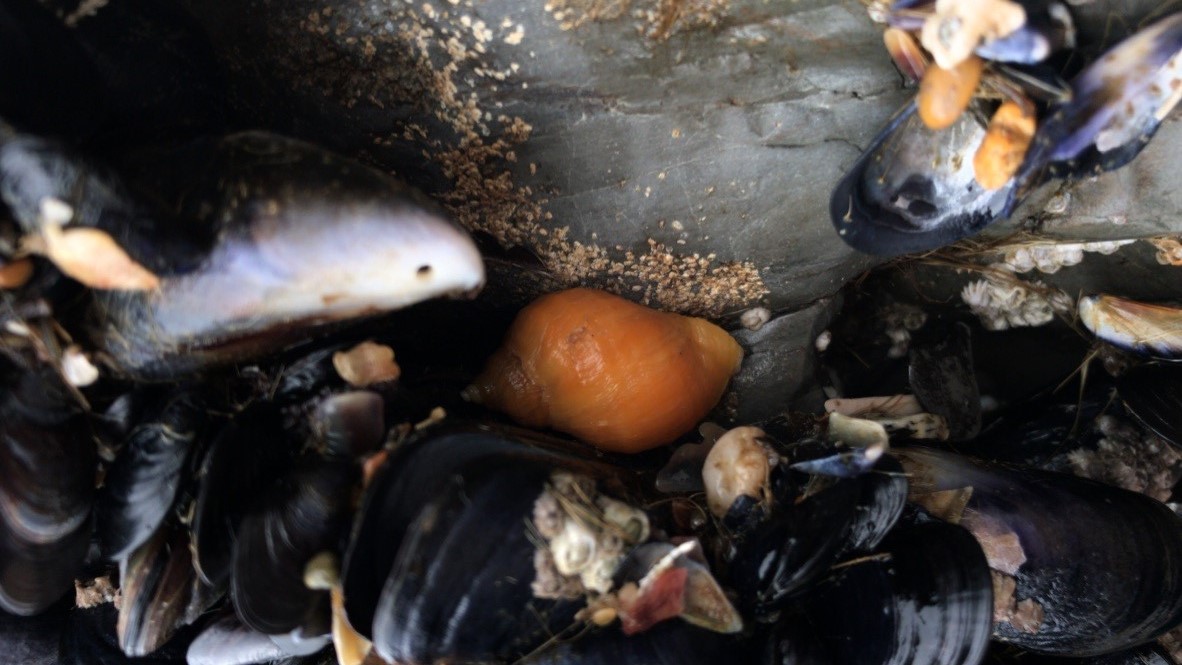
Sue Morton writes: How about a trip to the seaside? My old colleague Emma Woolfenden now lives in Cornwall and  volunteers with the the Cornwall Seal Research Group Trust. It was through her that we were able to arrange Sue Sayer’s zoom talk to the Club on seals during lockdown. Emma likes to visit the local beaches, and sends us this fascinating blog about some of the creatures she has met on her walks. It’s nice to learn about things we don’t normally see in land-locked West Oxfordshire!

Categories
Members

Breeding Bird Survey at Gibbets Close Farm

David Rolfe writes:

During the spring of this year, I carried out a breeding bird survey for the Wychwood Forest Trust at Gibbets Close Farm. The site comprises approximately 50 acres of permanent grassland, that has been left to go wild, and a small farmyard. Main field boundaries comprise untrimmed hedgerows, with many mature oak and ash trees. There are also extensive rows of mainly dead elm trees on higher ground.

Categories
Members

The Otters are back in Town

Alison Weaver, who has very keen eyes, has recently seen otters in the centre of Witney.

Alison writes: During this year’s very hot summer an island emerged in the Windrush where the river goes under the Witney bridge.

Categories
Members

Autumn Gentians

John C. writes:

We don’t usually think of this time of year as a time to go looking for flowers but there are a number of late-flowering species that are as rewarding to find as the season winds down as the first spring flowers are as the season winds up. A particular favourite of mine is autumn gentian, Gentianella amarella. Whilst perhaps not as spectacular as spring gentians – which are rare in the British Isles – they’re not very uncommon and have, to my mind, a rather understated charm.

Categories
Members

Walking with Crickets

Come on a short sound walk with Sue Morton who writes:

What could be nicer than strolling along in the dark on a fine summer night listening to crickets? It’s something I never get tired of, although passers-by tend to give us a wide berth when we’re poking around in the undergrowth with the bat detector.

Categories
Members

Humming For Nectar

Lindsay Fisher writes about two things:

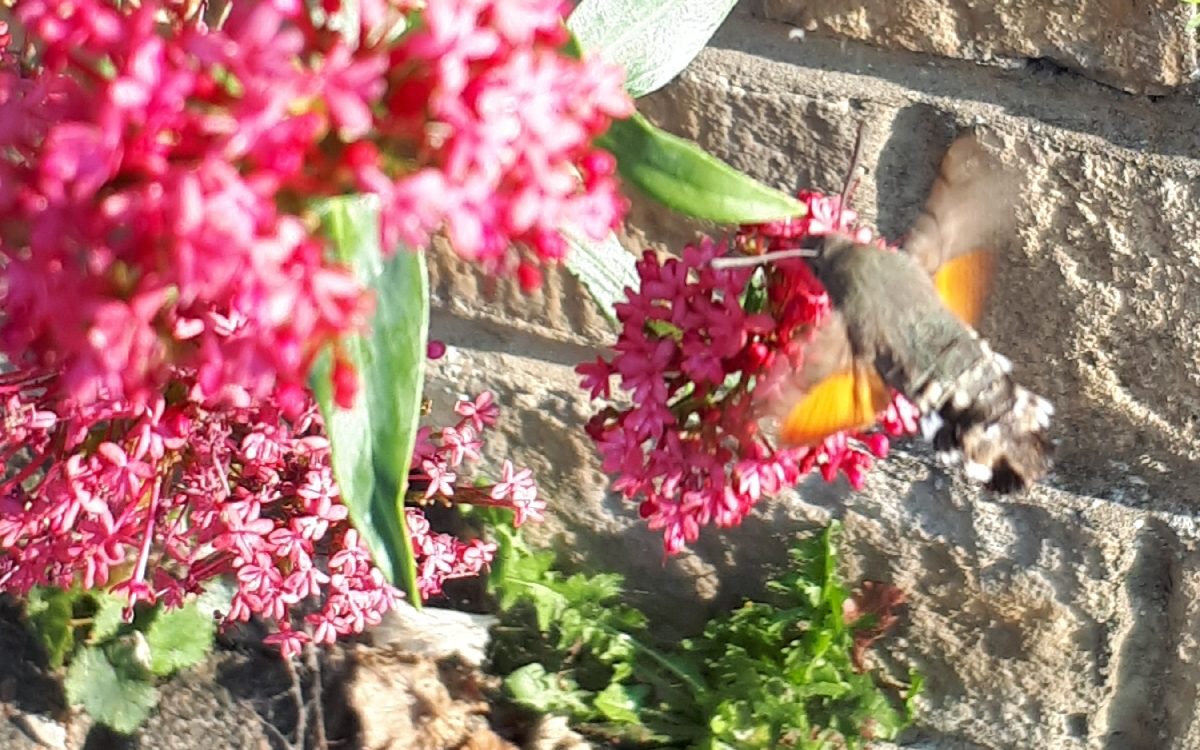
Spotted on our usual Saturday stroll to Cafe Rouge this morning, a hummingbird hawk moth was also enjoying a sunny breakfast on some valerian flowers in Gloucester Place.

Categories
Members

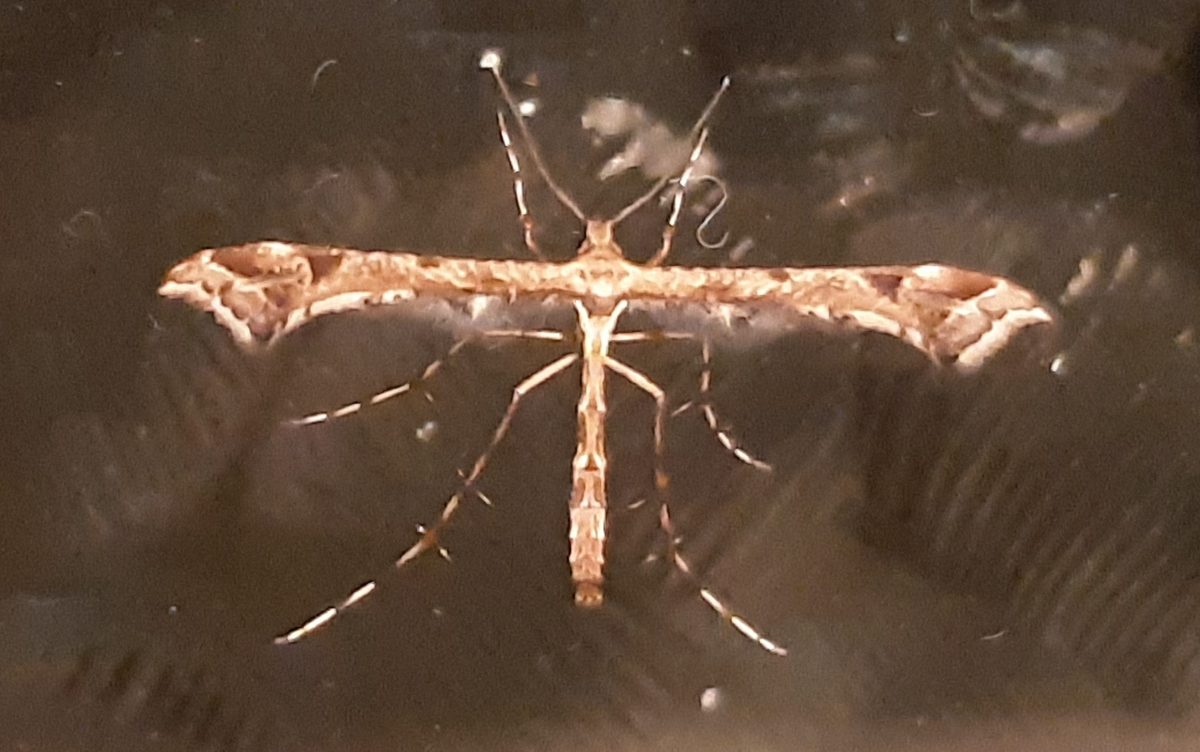
Beautiful Plume Moth

John C. writes:

Getting home quite late from a nocturnal ramble to look (actually to listen for) for crickets with bat detectors, I noticed an unusual plume moth on the inside of the bathroom window.