One of the first signs of spring is to see a butterfly – a brimstone or perhaps a small tortoishell. But where do they come from, and why do they emerge so soon?
Categories
Early Butterflies

One of the first signs of spring is to see a butterfly – a brimstone or perhaps a small tortoishell. But where do they come from, and why do they emerge so soon?
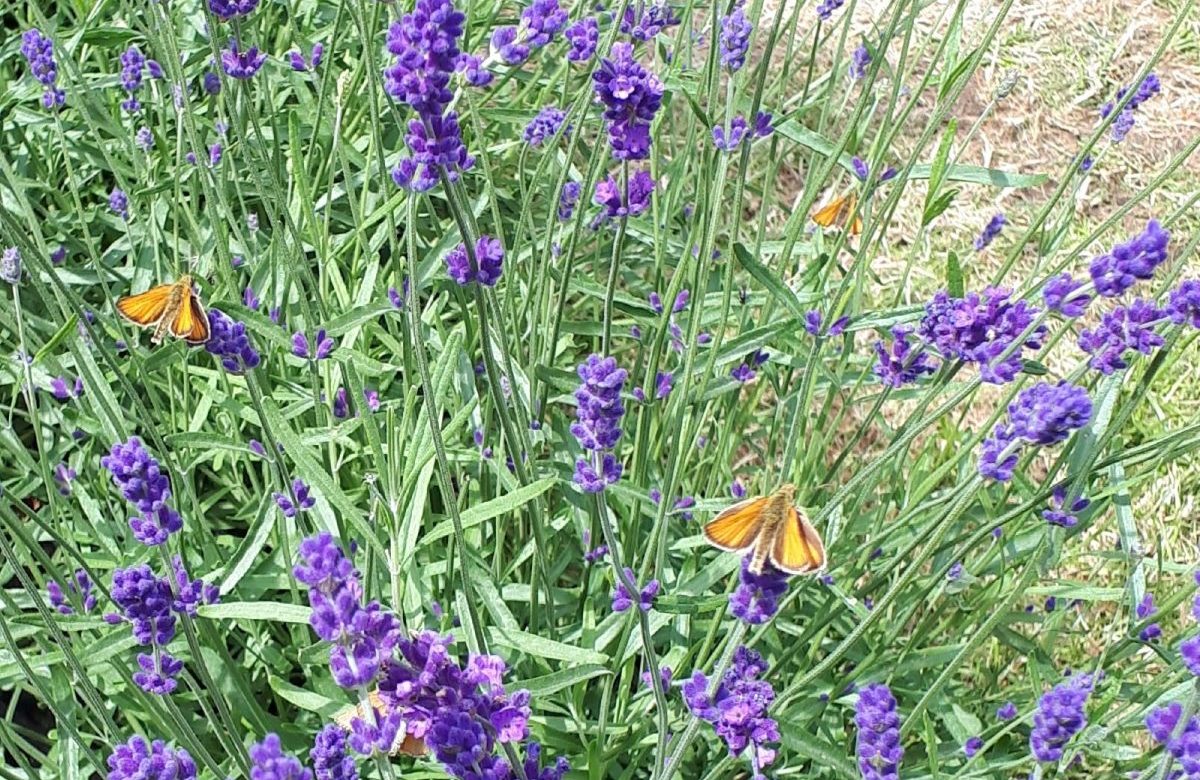
Lindsay Fisher writes: And thinking about butterflies, as we were last week in Charlbury, reminded me of a recent visit to the Hampton Court Garden Festival.
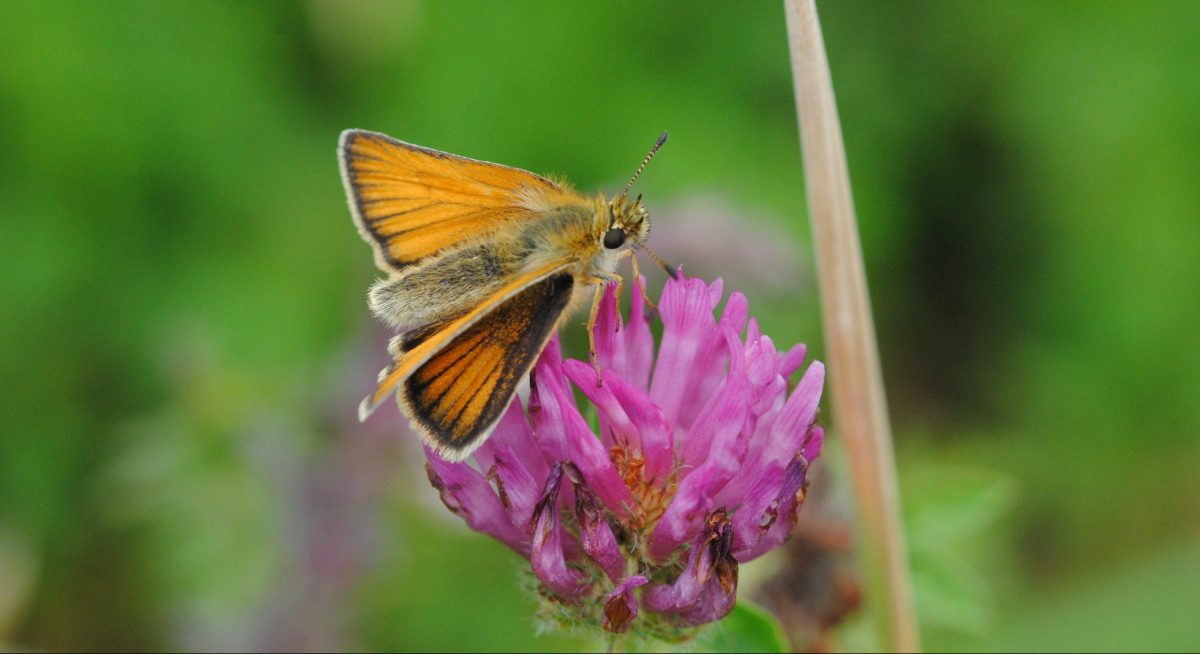
Despite the recent unsettled weather, our butterfly hunt on 20 July struck lucky with the elements, and fine, calm conditions netted a fully subscribed haul of members, and a good range of butterflies too.
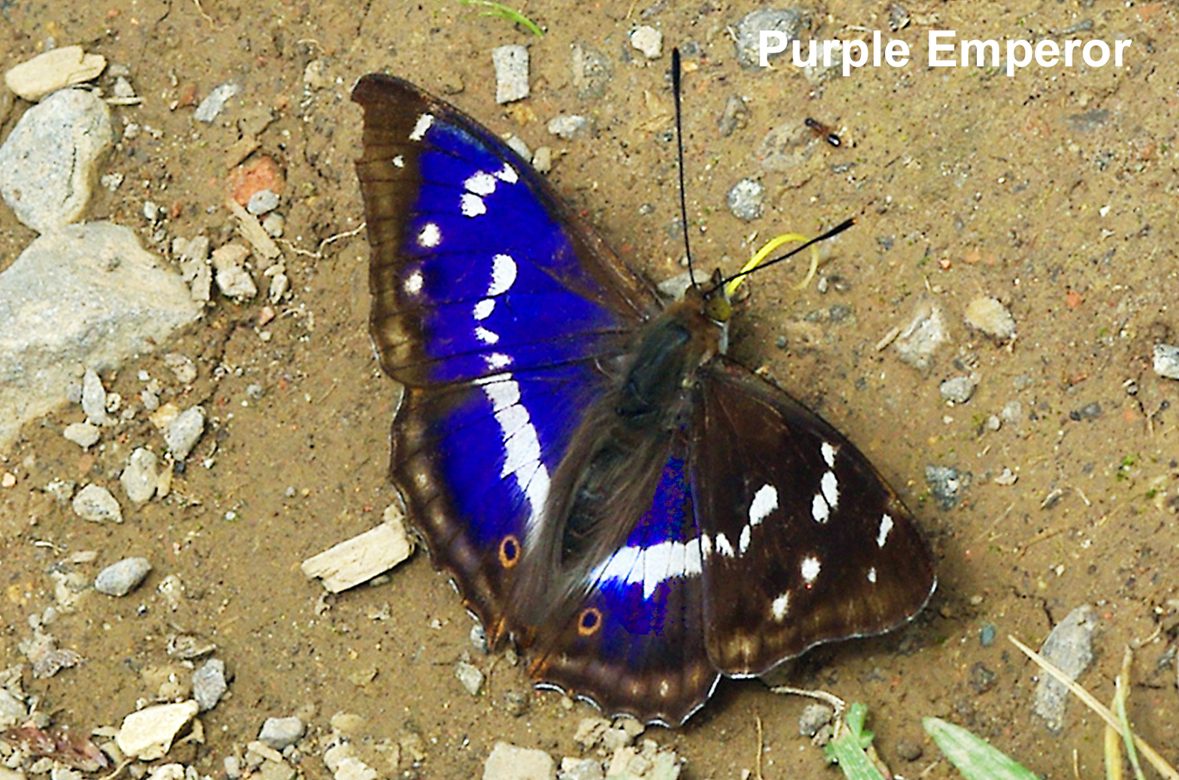
West Oxfordshire Field Club is 60 years old this year. Malcolm Brownsword, who is one of the club’s longest-standing members and a Vice President, has written some personal reminiscences of his time in the club.
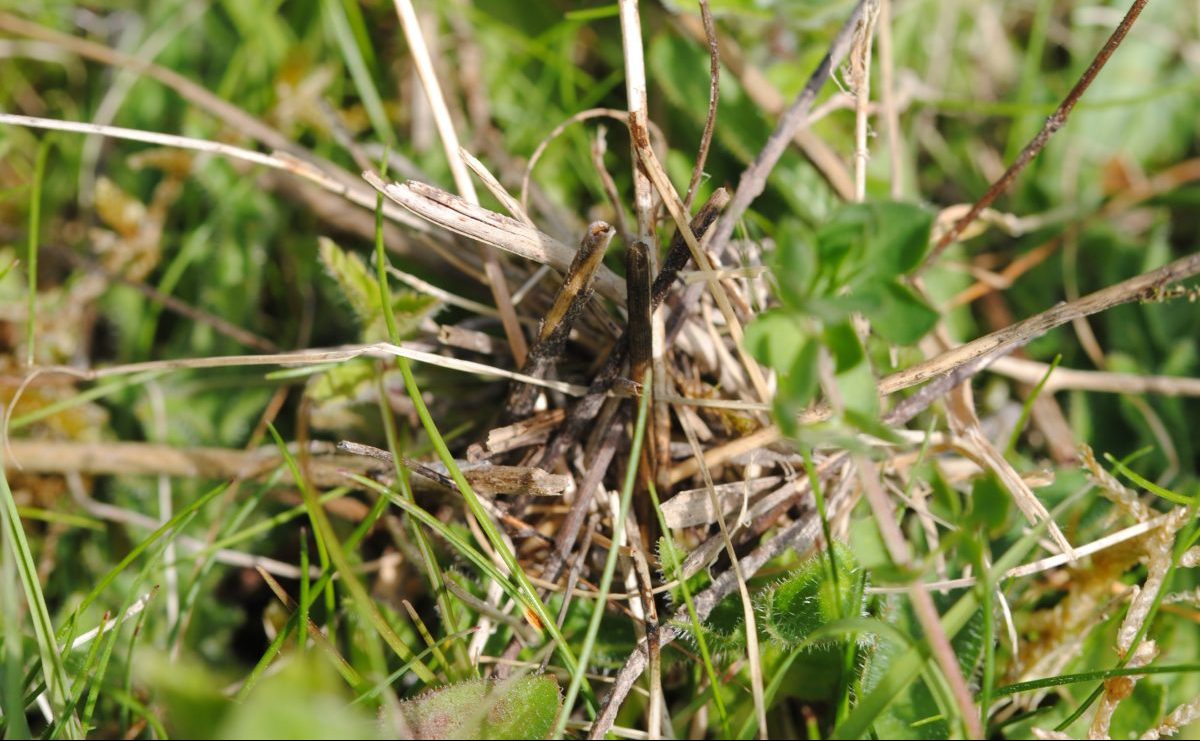
On the warm, balmy afternoon of Sunday 28 May, twenty-two of us wandered down Hill Valley at Aston Upthorpe. While we were being serenaded by blackcaps and whitethroats, we soon identified several butterflies: common blue, brimstone, peacock and small whites. Once we were on a rough chalk and flint hillside, there were the dingy skippers and to our delight what we thought was the rare grizzled skipper.
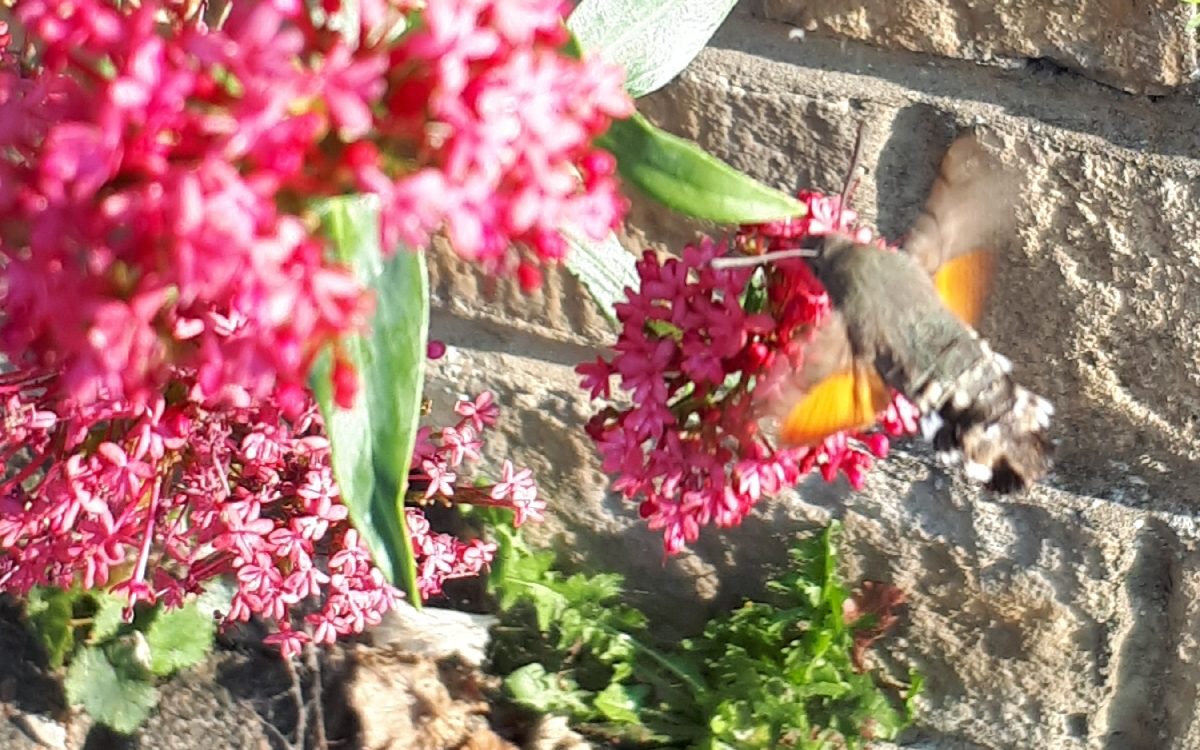
Lindsay Fisher writes about two things:
Spotted on our usual Saturday stroll to Cafe Rouge this morning, a hummingbird hawk moth was also enjoying a sunny breakfast on some valerian flowers in Gloucester Place.

It was a warm though overcast morning on 3 August when sixteen of us gathered to look for butterflies on the Wychwood Forest Trust’s Wigwell reserve at Charlbury. We were led by Roger Newman who gave each of us an identification sheet to use and keep, plus a brief demonstration of how to use the I-Record Butterflies site.
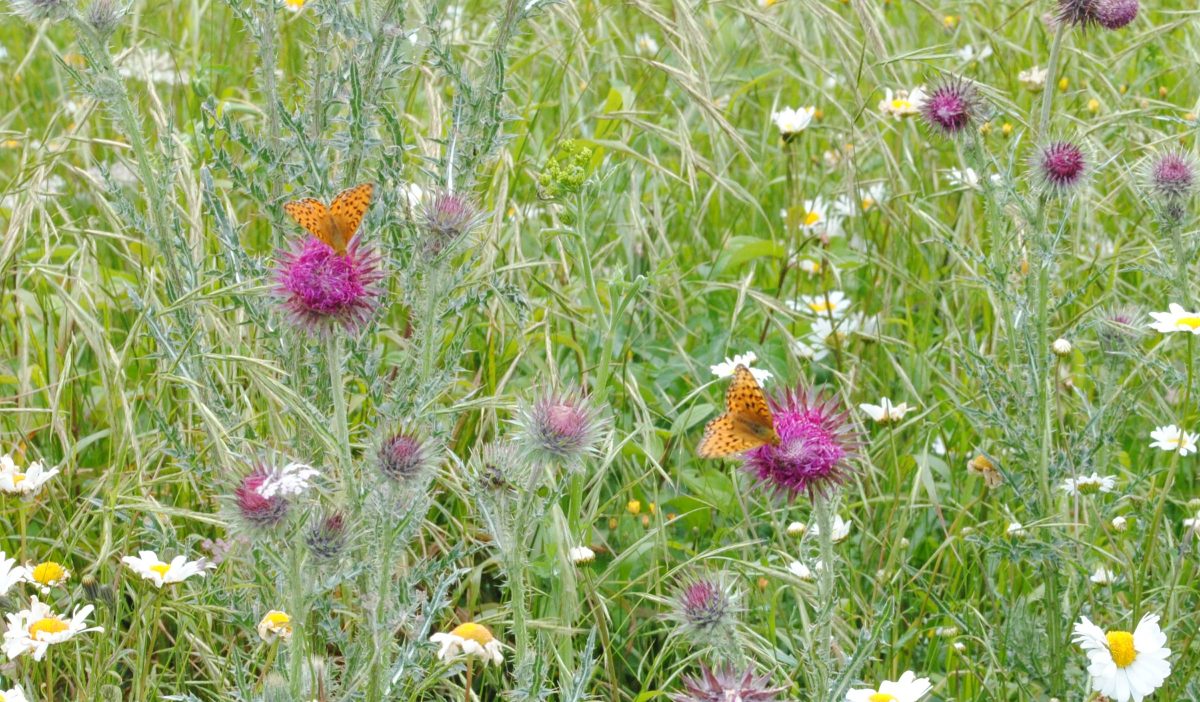
Visit to Aston Rowant NNR, Sunday 3 July 2022
When Dr Tim King, our leader, started his reseach at Aston Rowant national nature reserve, he found the continuous loud singing of many skylarks for hour after hour a little trying. A few years later, the reserve was divided in two by the dramatic cutting for the new M40 motorway at the top of Stokenchurch hill, and these days in parts of the reserve the skylarks are drowned out by the roar of traffic – but it’s still a glorious place.

 WEST OXFORDSHIRE FIELD CLUB