24th June 2025
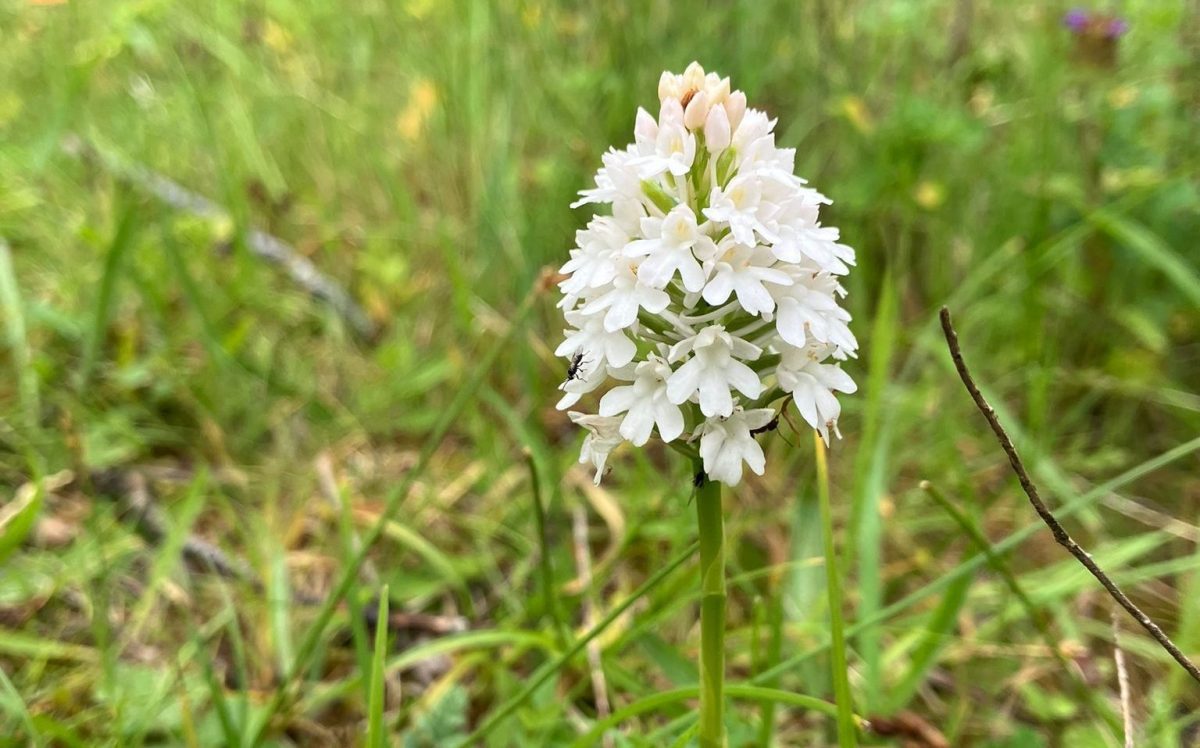
Charlbury Quarry has been closed to the public for over 20 years. After the closure of the working quarry following a tragic accident, it was planned as a wildlife area and left with minimal management.
24th June 2025
Charlbury Quarry has been closed to the public for over 20 years. After the closure of the working quarry following a tragic accident, it was planned as a wildlife area and left with minimal management.
8th June 2025
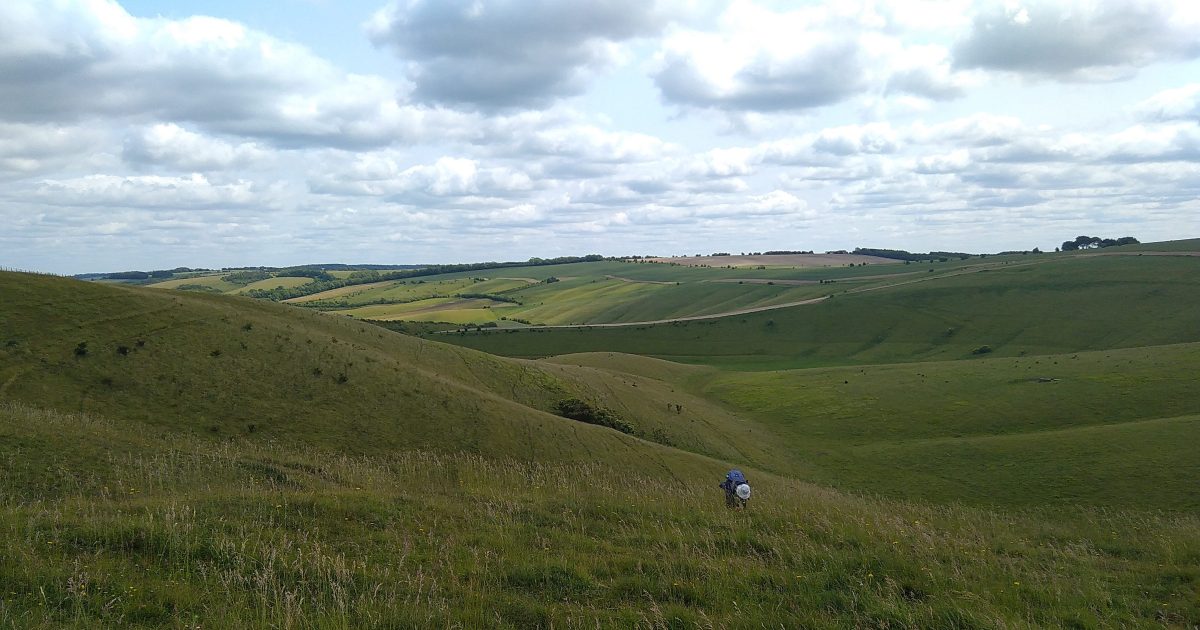
The Club has visited Hackpen Hill and Crowhole Bottom at various times over the years, but our trip this year was timed with a view to finding the rare Early Gentian (gentianella anglica). Would we find it? Read on to find out…
1st – 4th June 2025
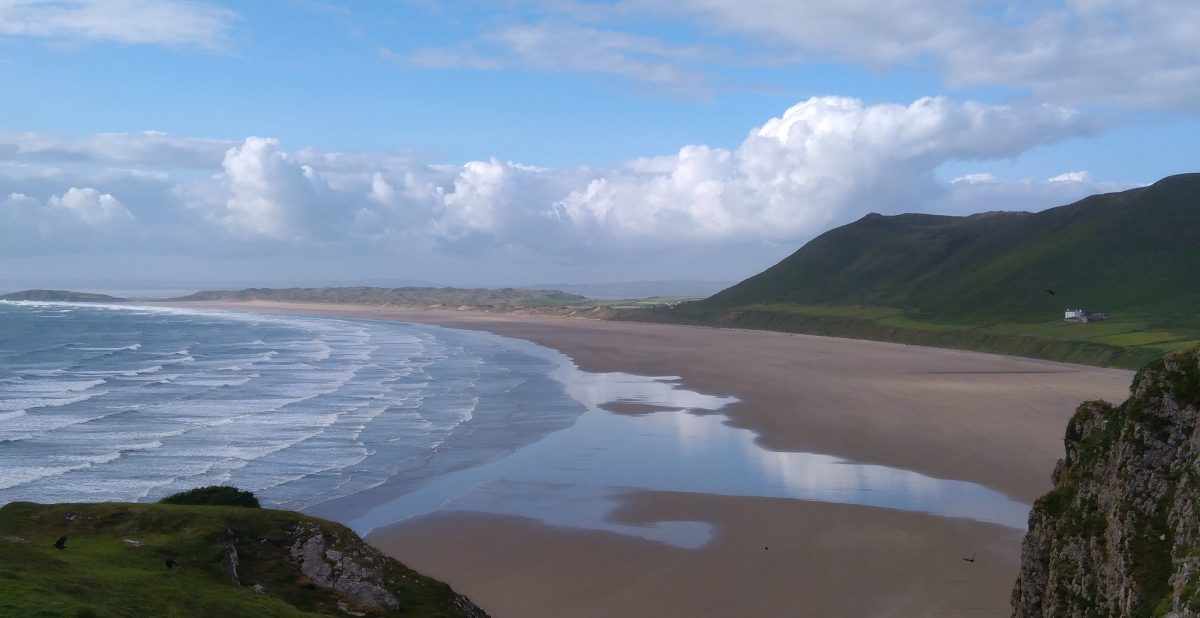
I’m sorry to have been so slow to post the report of the Club’s visit to the Gower back in June, but when you see the photos, you’ll marvel at the shots of green grass and people wearing warm jackets!
17th May 2025
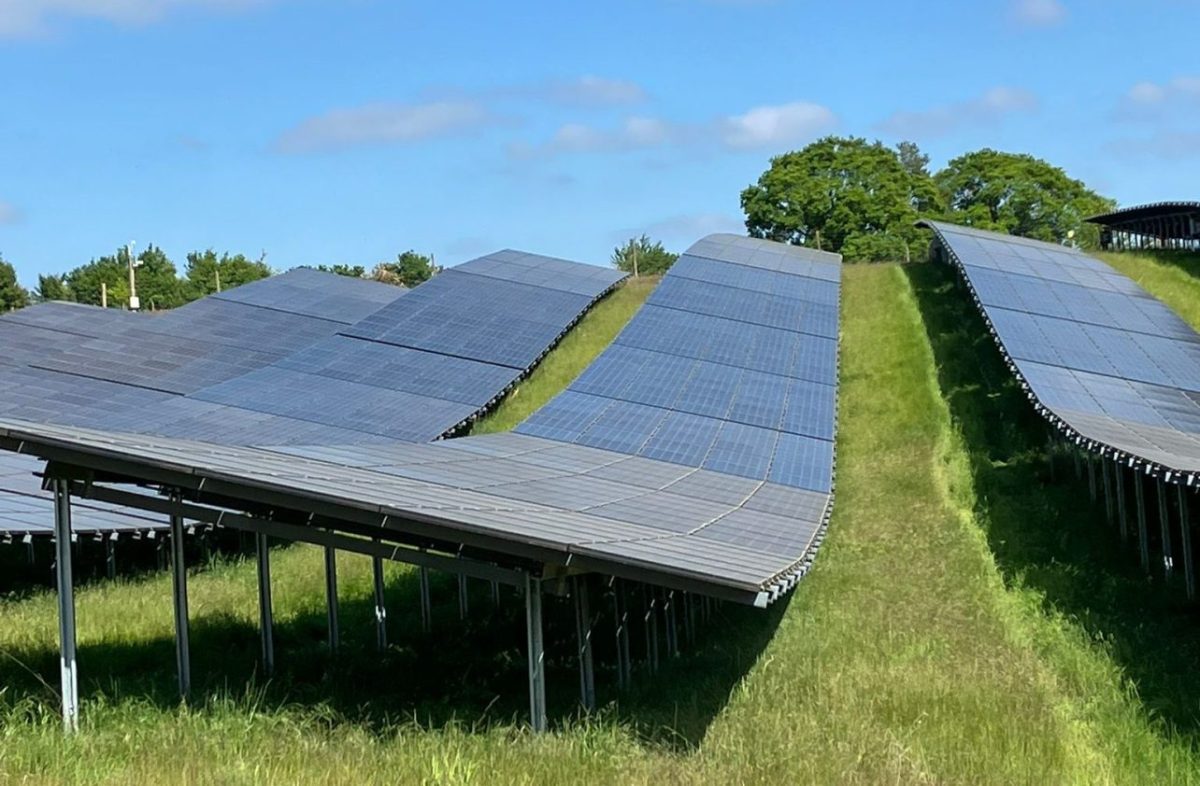
Nine members joined Dr Anne Miller for a three-hour walk around the perimeter of the Southhill solar farm. Anne gave us an introduction to the history of this community solar farm, which produces enough electricity to supply Finstock, Fawler and the town of Charlbury. Shares were sold to local people and the West Oxfordshire District Council. They have proved to be a wise investment.
6th April 2025
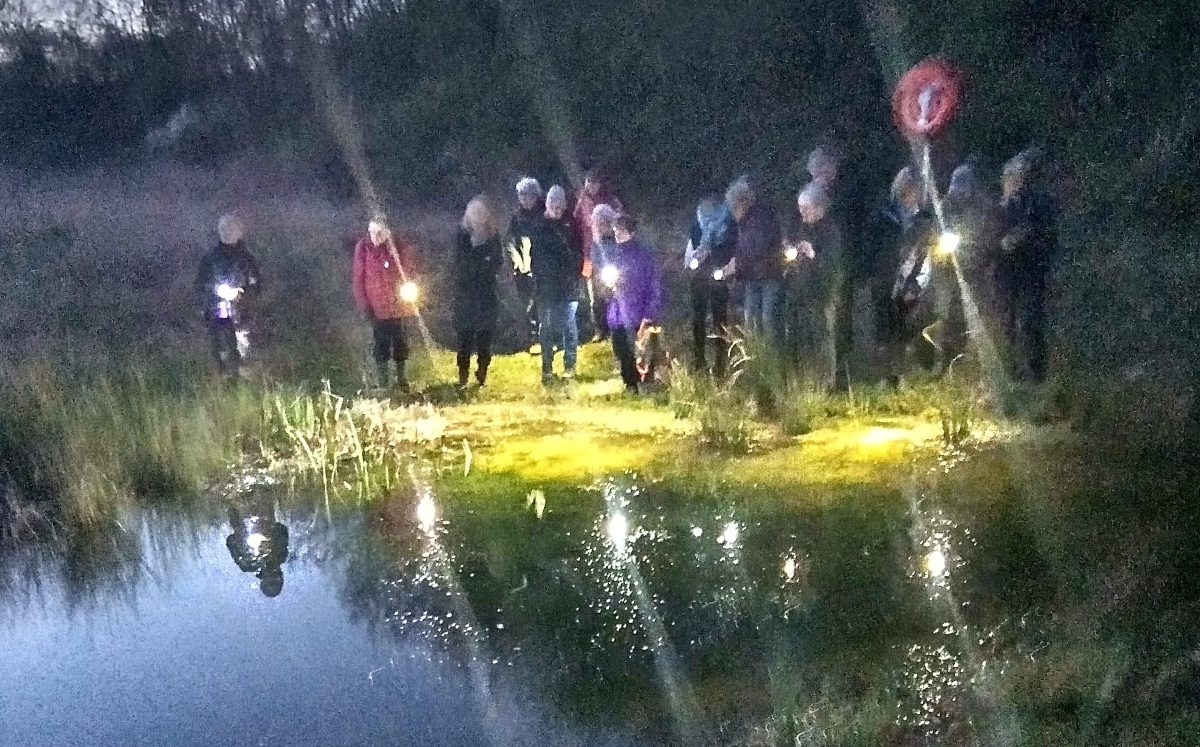
A few weeks ago, many of us enjoyed Neil Clennell’s knowledgeable and entertaining presentation on British reptiles at our AGM. One fine Sunday evening in early April, Neil offered us a second helping of his quickfire expertise on another of his wildlife enthusiasms, this time amphibians.

We had wonderful weather for our walk at Sherborne on Sunday 2nd March. The sun shone and there was almost no wind. Fourteen of us set off in hope of seeing the snowdrops that Sherborne is well known for.
13th February 2025
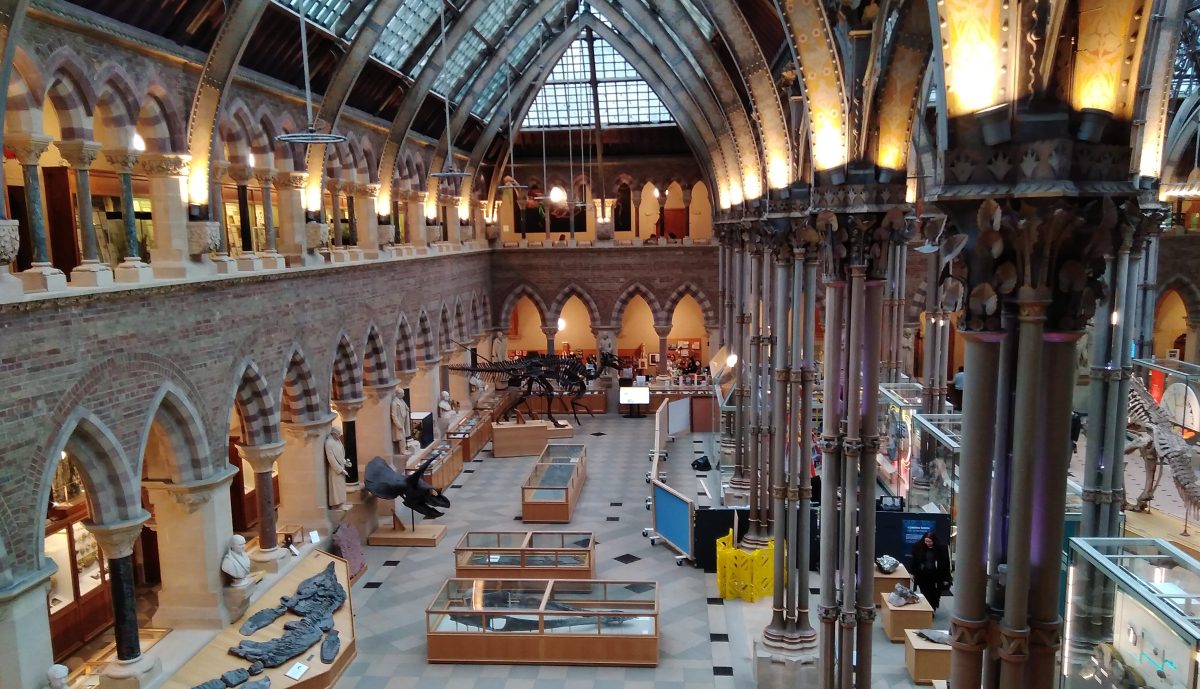
How small is the second smallest beetle found in the British Isles? Read on to find out!
Sunday 12 January 2025
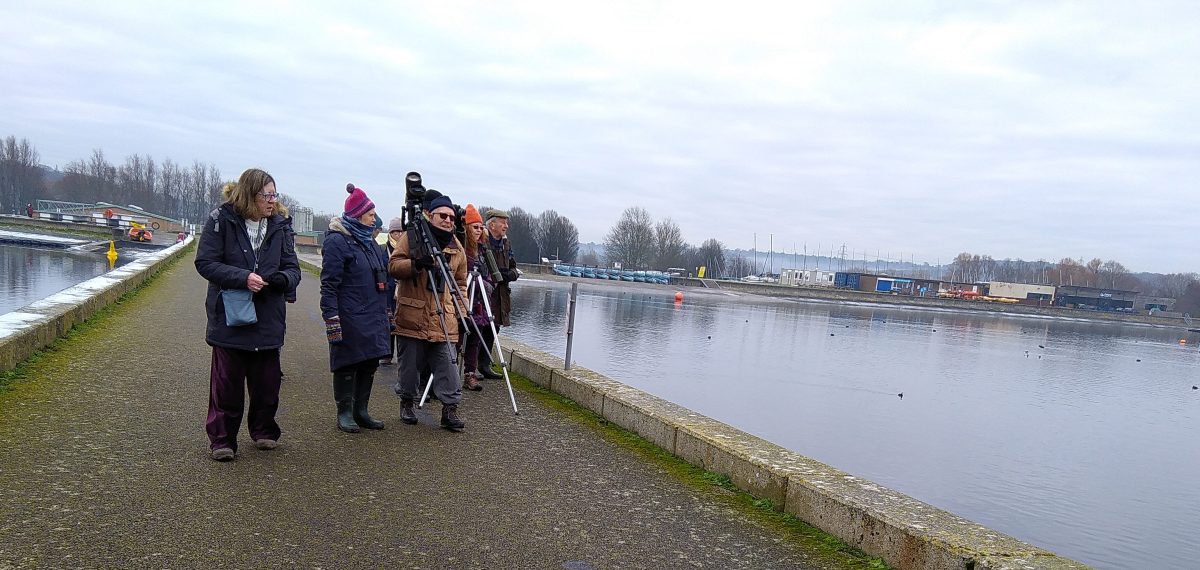
When 16 of us met up in the car park for this walk the weather was an improvement on that of the previous few days and although still very cold , it was clear with, fortunately, no wind ― the water was like that on a mill pond.
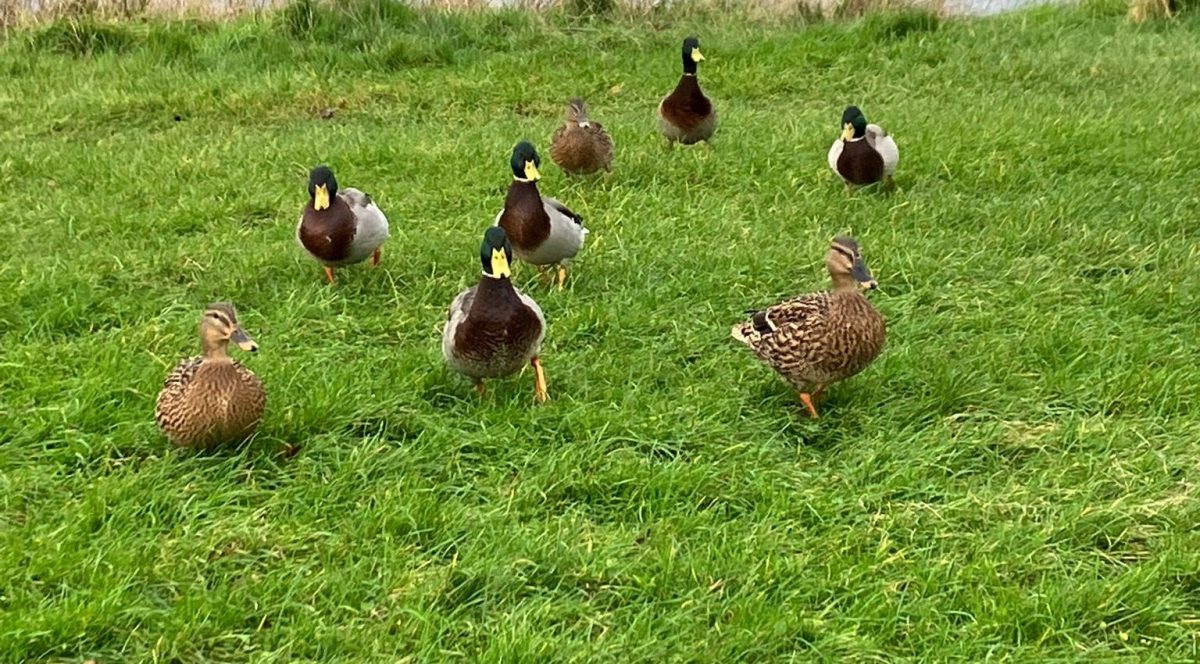
After all the gloom of the past few weeks, not to mention wind and rain, we struck lucky for our walk around Blenheim. The day started sunny and remained dry and pleasant throughout our walk.This was very a different day from our visit to Bury Down on 10th December last year when we experienced driving rain and a Force 8 gale!
3rd November 2024
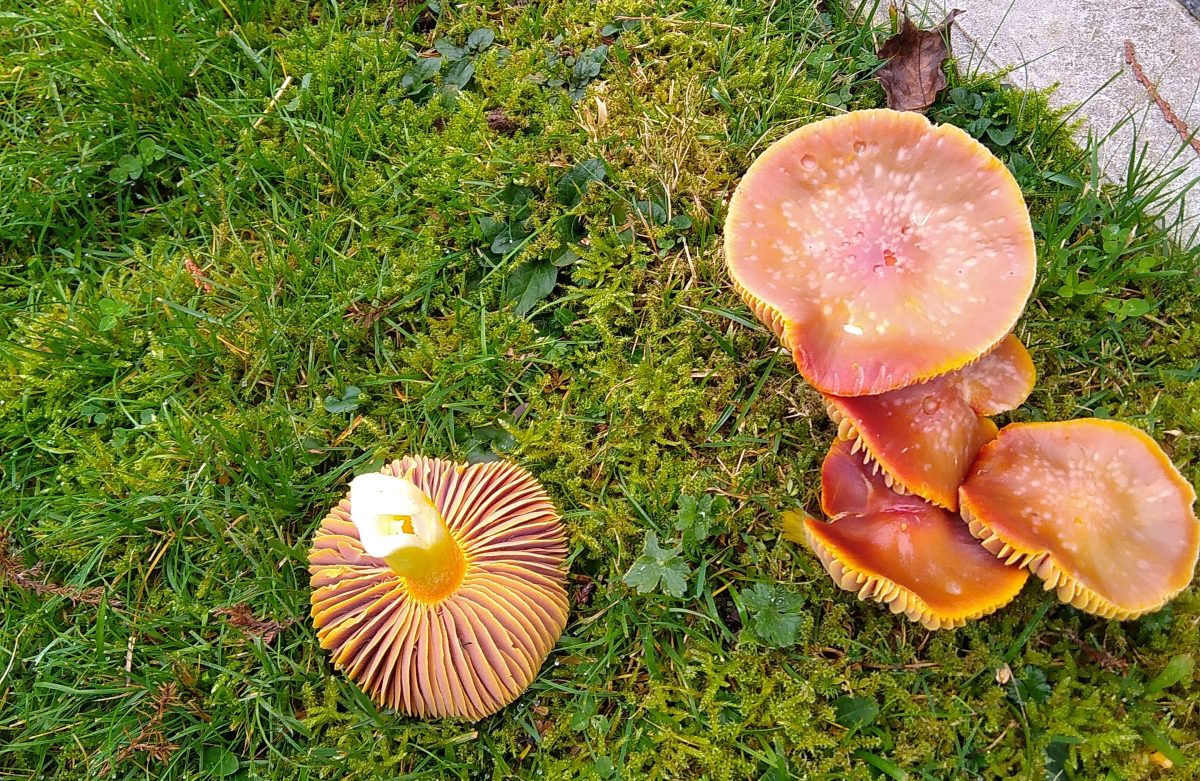
The Club’s annual fungus foray was a bit further afield than usual this year, but it was well worth the journey.
Have a WordPress.com account? Log in now.

